Recognizing the Various Kinds of Rubber Keypads and Their Necessary Uses in Everyday Modern Technology
Rubber keypads play an important function in modern-day innovation, acting as user interfaces for various devices. Different types, such as silicone rubber and membrane keypads, deal with specific applications and individual demands. Each kind offers unique benefits, from versatility to space-saving layouts. Understanding these differences is necessary for selecting the best keypad for a given application. This expedition will certainly disclose not just the kinds readily available but also their impact across various industries.
Review of Rubber Keypads
Rubber keypads are flexible input tools extensively made use of in numerous digital applications. Their building and construction commonly entails silicone or rubber products, which give an unique tactile reaction when pressed. This tactile feedback improves individual experience by enabling individuals to recognize essential activation without needing to look at the tool. Rubber keypads are frequently employed in customer electronics, medical tools, and industrial equipment, providing toughness and resistance to environmental elements such as dampness and dirt. In addition, they can be personalized regarding form, dimension, and shade to meet certain style needs. The versatility of rubber keypads enables consolidation into complex layouts, making them appropriate for small devices where space is a restriction. Their cost-effectiveness and simplicity of manufacturing add to their extensive adoption throughout various markets. On the whole, rubber keypads play an important function in boosting usability and performance in plenty of technological applications.
Types of Rubber Keypads
Different kinds of rubber keypads satisfy different applications and customer preferences. Amongst the most usual types are silicone rubber keypads, recognized for their adaptability and toughness, making them appropriate for handheld tools and clinical devices. One more kind consists of conductive rubber keypads, which feature embedded conductive products permitting for efficient electrical contact, commonly located in electronic devices. Membrane layer keypads, a subcategory of rubber keypads, include layers that produce a level user interface, generally made use of in home appliances and commercial applications for their space-saving layout. In addition, custom rubber keypads can be customized to specific styles or performances, attracting niche markets such as video gaming or specialized machinery. Each kind offers distinctive objectives, boosting individual communication and device dependability throughout various sectors. These variations assure that rubber keypads fulfill the diverse requirements of customers, supplying functionality and comfort in everyday modern technology.
Key Features of Rubber Keypads
Rubber keypads are acknowledged for their crucial attributes that boost use and efficiency. Their durability and longevity make them ideal for numerous applications, while tactile response characteristics guarantee customer fulfillment. Furthermore, the personalization alternatives readily available permit customized designs to fulfill specific needs.
Longevity and Durability
Services Tactile Feedback Characteristics
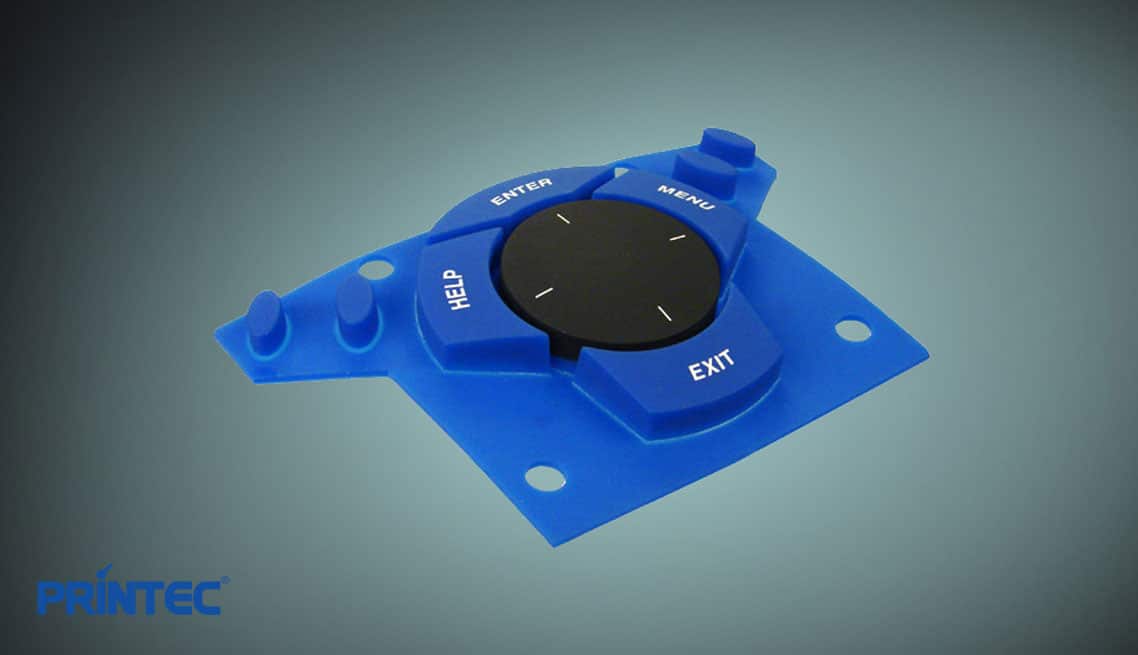
Keypads designed with rubber materials supply noteworthy responsive feedback qualities that enhance customer interaction. These keypads offer a distinct responses system, enabling users to really feel a recognizable click or resistance when secrets are pressed. This responsive comments is vital in applications where precision and accuracy are critical, such as in medical tools or industrial equipment. The softness of rubber adds to a comfy pressing experience, lowering finger tiredness throughout extended usage. Furthermore, the design often permits differing key elevations and shapes, additionally enhancing the tactile experience. This responsiveness not just aids in preventing unintended presses but also raises overall individual contentment, making rubber keypads a recommended selection in many technological devices.
Modification Options Available
Advantages of Using Rubber Keypads
Rubber keypads provide many benefits that make them a preferred selection across different applications. One vital advantage is their longevity, as they can stand up to substantial wear and tear, making them suitable for high-usage atmospheres. In addition, rubber keypads offer excellent resistance to water, dirt, and chemicals, boosting their durability and reliability. The soft-touch surface area guarantees individual convenience, reducing finger fatigue during extended use.
In enhancement, their tactile comments boosts user experience, enabling precise input recognition. The adaptability in design additionally allows personalized forms and colors, enabling smooth assimilation right into numerous products. Rubber keypads are frequently cost-efficient contrasted to other products, making them an economical option for makers. Rubber Keypads. They likewise support silent procedure, which is suitable for environments where noise reduction is crucial. In general, the combination of modification, convenience, and longevity makes rubber keypads a useful component in lots of technological gadgets
Usual Applications in Customer Electronics
Rubber keypads are widely utilized in numerous customer electronics, serving crucial roles in improving user communication. They are generally discovered in push-button control user interfaces, medical device keypads, and home appliance controls. These applications highlight the versatility and usefulness of rubber keypads in daily technology.
Remote Control Interfaces
Push-button control user interfaces are fundamental parts in contemporary customer electronic devices, enabling customers to communicate easily with gadgets from a distance. These user interfaces utilize rubber keypads to supply responsive responses, enhancing customer experience. Common applications include tv remotes, gaming controllers, and clever home devices, where ease of use is important. The style of rubber keypads enables for resistance, toughness, and adaptability to put on, making them suitable for regular usage. Various configurations, consisting of multi-button and single-button layouts, cater to varied individual requirements and choices. Furthermore, the dustproof and water-proof buildings navigate here of rubber keypads ensure trusted capability in numerous atmospheres. Overall, rubber keypads in remote user interfaces play an important role in streamlining interactions with innovation, advertising ease and ease of access for users.
Medical Tool Keypads
Keypads in clinical gadgets serve a necessary function, enabling health care experts to run equipment effectively and precisely. These rubber keypads are frequently discovered in devices such as high blood pressure screens, sugar meters, and analysis devices. Their responsive comments assurances that users can input commands without obscurity, which is crucial in high-stakes atmospheres. Furthermore, the toughness and resistance to wetness and chemicals make rubber keypads optimal for regular use in medical settings. The ergonomic design typically accommodates gloved hands, boosting use. Adjustable formats enable producers to tailor keypads to certain gadget functions, simplifying procedures. In general, medical gadget keypads play a considerable function in enhancing individual care via reputable and instinctive user interfaces.
Home Appliance Controls

Home home appliance controls play a crucial duty in the performance and customer experience of day-to-day customer electronic devices. Rubber keypads provide responsive feedback and durability, making them optimal for tools such as microwaves, washing makers, and coffee manufacturers. These keypads offer intuitive user interfaces, allowing users to conveniently navigate programs and setups. The soft-touch style reduces the risk of unexpected activation while making certain a comfortable experience. In addition, rubber keypads are immune to dampness and dust, which is vital in cooking area and washing atmospheres. They can additionally be tailored for specific features, boosting functionality. Generally, rubber keypads contribute significantly to the effectiveness and dependability of home appliances, making sure that customers can run their tools easily and effectively.
Industrial and Medical Utilizes of Rubber Keypads
Rubber keypads have come to be fundamental components in different industrial and clinical applications due to their sturdiness and reliability. In commercial settings, these keypads are often used in machinery controls, providing a responsive user interface that holds up against severe settings, consisting of direct exposure to chemicals and severe temperatures. Their resistance to tear and wear makes them optimal for heavy-use circumstances, where constant efficiency is essential.
In the clinical area, rubber keypads offer vital functions in gadgets such as analysis devices, individual monitoring systems, and laboratory tools. Their ease of cleansing and capacity to withstand contamination help in preserving health requirements substantial to healthcare settings. In addition, the customizability of rubber keypads allows for ergonomic designs tailored to user requirements, enhancing ease of access for both doctor and clients. In general, the convenience of rubber keypads warranties their continued importance in commercial and clinical innovations.
Aspects to Take Into Consideration When Choosing Rubber Keypads
When selecting rubber keypads, a number of vital elements need to be considered to assure peak performance and compatibility with particular applications. The designated use plays a considerable function; different settings, such as medical or commercial setups, might call for one-of-a-kind functions like antimicrobial homes or boosted durability. Second, the tactile comments is essential for user contentment; a keypad should supply a responsive and comfy experience.
Additionally, the design and layout should be considered, as customized forms and dimensions might be essential for specific tools. The product make-up affects both the keypad's long life and its resistance to chemicals or extreme temperatures. Compatibility with electronic parts is important; guaranteeing that the keypad integrates seamlessly with existing modern technology protects against functional problems. Lastly, cost-effectiveness must be examined, balancing high quality and budget restrictions to attain perfect value without jeopardizing efficiency.
Regularly Asked Questions
Can Rubber Keypads Be Personalized for Particular Layouts or Logos?
Rubber keypads can undoubtedly be tailored for particular designs Your Domain Name or logos. Manufacturers use numerous alternatives, allowing clients to inscribe one-of-a-kind graphics or message, boosting branding while preserving capability in varied applications across different markets.
How Do Rubber Keypads Compare to Membrane Buttons?
Rubber keypads provide responsive responses and durability, while membrane layer buttons give a more streamlined design and are often thinner. Each has unique benefits, making the choice based on details application demands and customer preferences.
What Upkeep Is Needed for Rubber Keypads?
Rubber keypads call for regular cleansing to avoid dirt buildup, occasional evaluation for wear or damages, and appropriate storage space far from severe temperatures. Ensuring they are totally free from dampness enhances browse around here their long life and functionality.
Exist Environmental Concerns With Rubber Keypad Production?
Yes, ecological concerns occur from rubber keypad manufacturing, consisting of making use of non-renewable sources, pollution during producing procedures, and difficulties in recycling. These aspects add to an expanding recognition of sustainability in the electronic devices market.
How Lengthy Do Rubber Keypads Usually Last?
Rubber keypads usually last between 5 to 10 years, depending on use and environmental problems. Variables such as exposure to heat, sunshine, and chemicals can greatly influence their longevity and general life expectancy.
Various kinds, such as silicone rubber and membrane keypads, cater to details applications and customer demands. Membrane layer keypads, a subcategory of rubber keypads, consist of layers that create a flat interface, commonly utilized in devices and commercial applications for their space-saving style. Numerous materials are used in keypad manufacturing, rubber keypads stand out due to their extraordinary longevity and durability. Keypads developed with rubber materials supply significant tactile response qualities that enhance user communication. Furthermore, the customizability of rubber keypads allows for ergonomic layouts customized to customer demands, enhancing access for both medical specialists and patients.
Comments on “Comparing Rubber Keypads to mechanical switches: What You Should Know”